Role of Muslim Youth in Islam: Building the Future of the Ummah

What if the future of the Ummah is being shaped by what you choose to do with your youth right now?
History gives us a powerful example. Muhammad bin Qasim was still a young man when he led the Muslim forces into Sindh, taking on responsibilities that demanded courage, discipline, leadership, and conviction far beyond what most people associate with youth.
Just as Muhammad bin Qasim used his youth, courage, and abilities to contribute to the Ummah, every one of us has the opportunity to use what Allah has given us to make our communities better. The role of Muslim youth in Islam centers on building strong character, mastering useful skills, standing for what is right, and actively contributing to the Ummah with whatever abilities we have today.
That could mean writing code to solve everyday problems, excelling in your studies so you can serve families through your profession, turning down an unethical shortcut when everyone else takes it, or mentoring younger students. Your age doesn’t determine the size of your impact; what you do with your time, energy, and abilities does.
This is where youth responsibility in Islam transitions from a concept into a direct personal challenge:
What are you going to build with the years Allah has given you?
Let’s explore how Islam views the responsibility of young believers, what Muslim youth leadership looks like in daily practice, and how you can direct your energy, skills, and ambitions toward strengthening the Ummah.
Why The Youth Carries So Much Responsibility in Islam
It’s easy to see your twenties as a period for figuring things out, with serious responsibility waiting until you’re older and more established. But the Prophet ﷺ spoke about youth in a way that gives these years a much greater sense of purpose and accountability.
Why Islam Holds You Accountable for Your Youth
On the Day of Judgment, when humanity stands in desperate need of shade, Allah grants special protection to seven kinds of people. One of them is a young person who grew up dedicated to worshipping Allah.
Holding on to your values when you have the energy, freedom, and distractions pulling you in every direction is an act of worship of profound value in the sight of Allah.
The Prophet (peace be upon him) made this accountability direct:
“The feet of a servant will not move on the Day of Resurrection until he is asked about four things: about his life and how he spent it, about his youth and how he used it, about his wealth and where he earned it and spent it, and about his knowledge and what he did with it.” (Jami` at-Tirmidhi 2417)
Allah asks about your entire life, and then demands a focused breakdown of what you did with your youth.
The Companions as Examples for Young Muslims (Sahaba)
The Prophet (peace be upon him) did not treat young believers as people who needed to wait for their turn. He entrusted them with some of the most important responsibilities in building the Muslim community.
When the message of Islam needed to take root in Madinah, the Prophet (peace be upon him) sent Mus’ab ibn ‘Umayr. Still in his twenties, Mus’ab used his knowledge, character, and ability to communicate to teach the people of Madinah and help bring entire families into Islam. His efforts helped prepare the city to welcome the Prophet (peace be upon him) and become the centre of the growing Muslim community.
Shortly before the Prophet’s passing, he entrusted another young Companion, Usama ibn Zayd, with the command of an army that included senior and experienced Companions. Usama was still in his late teens, yet he was given a responsibility that demanded courage, judgment, and trustworthiness.
Their examples show that youth was never treated as a reason to stand on the sidelines. When young believers had knowledge, character, and the willingness to carry responsibility, they were given opportunities to use them.
Your Responsibility Starts With What You Have
Mus’ab and Usama learned what they could, developed the abilities Allah had given them, and used them when the opportunity came.
The same principle applies to your life. Your education, profession, talents, relationships, and even how you spend free time can benefit others. You need to recognise what Allah has already placed in your hands and use it well.
That is where youth responsibility in Islam becomes practical. Your purpose in faith is not something you discover only after you have your career, your finances, or your life completely figured out. You begin building it through the choices you make today.
Building Faith Through Daily Discipline
There is a reason the phrase “charity begins at home” has lasted for generations. Meaningful service begins with how you manage your own life. Your prayers, time, habits, character, and responsibilities at home shape the person you bring into the wider community.
Faith gives that discipline its direction, helping you develop the consistency, self-control, and resilience to carry greater responsibilities for the sake of Allah.
Why Personal Consistency Matters First
A desire to serve the Ummah needs a strong foundation in your own daily life. Academic deadlines, work pressure, and the distractions of everyday life can easily push salah, Qur’an, and other acts of worship to the side.
Your private habits eventually shape the person you become in public, giving you the character to stand for what is right when it actually matters.
Simple Habits That Strengthen Your Faith
Developing daily discipline comes down to simple commitments that you return to consistently:
- Centering Your Day Around Salah
Treating the five daily prayers as fixed points in your day keeps worship from being pushed aside by lectures, deadlines, or work.
- Protecting Your Attention
Reducing mindless scrolling and unnecessary screen time gives you more time and mental space for important things.
- Keeping Your Faith Part of Your Education
Studying the Qur’an and Sunnah alongside your academic or professional education helps you develop the knowledge and judgment to use what you learn well.
Committing to faith and discipline as a young Muslim turns ordinary days into purposeful training, giving you the focus to stay grounded when life gets demanding.
Aligning Your Studies and Career With the Future of the Ummah
Getting a degree, building a career, and achieving financial stability are all worthwhile goals. But your education also gives you knowledge, your career gives you skills, and both give you opportunities to benefit others.
When you start asking how those abilities can solve problems, create opportunities, and strengthen the people around you, your professional journey becomes part of building the future of Muslim youth.
Seeing Your Education as More Than a Career Path
Whatever field you choose, your knowledge can become a means of serving others when you approach it with the right intention:
- Technology and Engineering
Build platforms that help charities reach people, create useful educational tools, or develop technology that solves problems your community actually faces.
- Business and Finance
Help organisations manage their finances responsibly, build ethical businesses, create employment, or develop financial solutions that serve people who are often overlooked.
- Healthcare and Medicine
Care for people who struggle to access healthcare, volunteer your expertise, educate families about prevention, or help make essential care more accessible.
- Education and Humanities
Teach and mentor younger students, develop better learning resources, research issues affecting Muslim communities, or use your writing to bring important conversations into the open.
Putting Your Values Into Practice
Your contribution to the Ummah is also reflected in how you conduct yourself at work every day:
- Choosing Integrity
Refusing bribes, dishonest billing, false claims, or workplace politics that harm others builds the kind of character people can genuinely trust.
- Taking Your Work Seriously
Meeting deadlines, keeping your word, communicating honestly, and doing your work well are simple ways to bring excellence and responsibility into your profession.
- Helping Others Move Forward
Mentor someone younger, share an opportunity, recommend someone for a role, or help a new graduate find their footing. Your success can become a means of opening doors for others.
Muslim Youth Leadership in Daily Life
Popular culture often presents leadership through visibility:
- A large following
- A microphone on stage
- An impressive title.
Islamic tradition offers a varied picture. The Prophet (peace be upon him) said:
“The leader of a people is their servant.” (Forty Hadith of Shah Waliullah Dehlawi, Hadith 34)
Leadership, in that sense, begins with a willingness to carry responsibility for others. For young Muslims, that responsibility can show up in ordinary places long before anyone gives you a title.
Leadership Through Service
Muslim youth leadership starts with noticing what needs to be done and being willing to do it, even when nobody is watching:
- Supporting Your Household
Helping your parents with daily burdens, guiding younger siblings through their schoolwork, and bringing calmness into family tensions shows leadership where it matters most.
- Supporting Your Fellow Students
Welcoming new students, forming study groups for struggling classmates, or helping maintain a campus prayer space allows you to become someone others can rely on.
- Doing the Work Nobody Notices
Staying behind to clean up, helping with logistics, or distributing food may not seem significant, but these small acts of service show people that they can count on you.
Working With Humility and Moral Strength
People begin to trust you when your character stays steady, especially when things become difficult. For a young Muslim, keeping your word, taking responsibility, and holding on to what is right even when doing so is difficult qualify as Islamic leadership qualities. These can include:
- Dropping Personal Ego
Collaborating respectfully with elders and scholars keeps community initiatives united rather than fracturing over personal disagreements.
- Following Through on Commitments
Delivering on what you promise, whether it’s completing a volunteer task or showing up on time, establishes you as someone people can depend on.
- Doing The Right Thing When It’s Difficult
Choosing what is right when everyone around you takes an easy shortcut sets a powerful example for friends and classmates.
Putting the “Beyond Self” Idea Into Practice
Reading about youth responsibility can shape the way you think, but being around people who are trying to live those values can give that thinking somewhere to go.
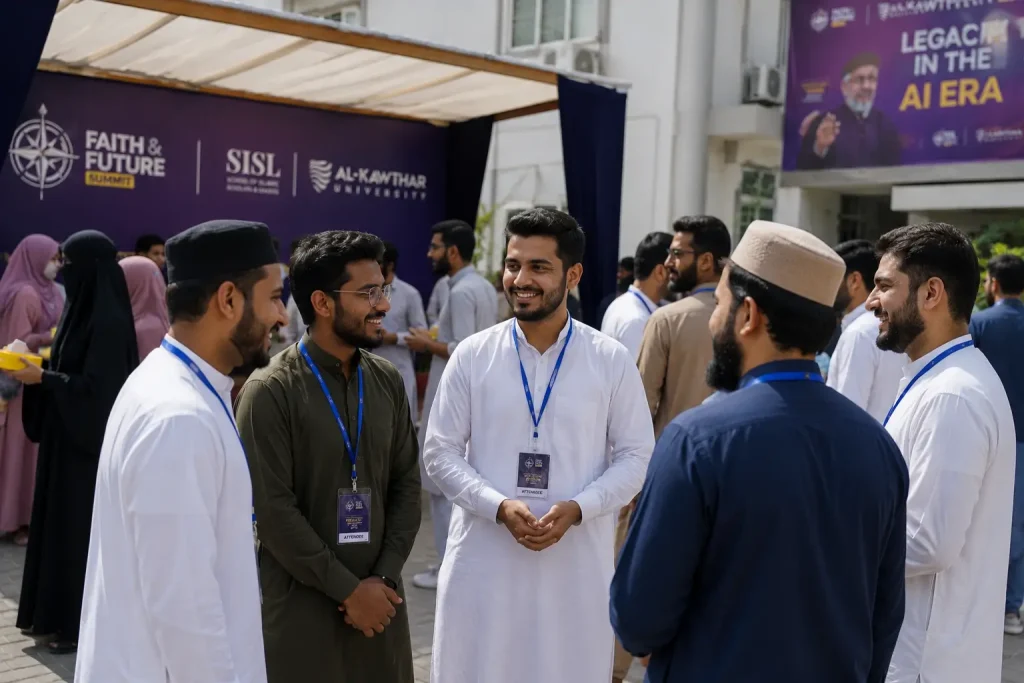
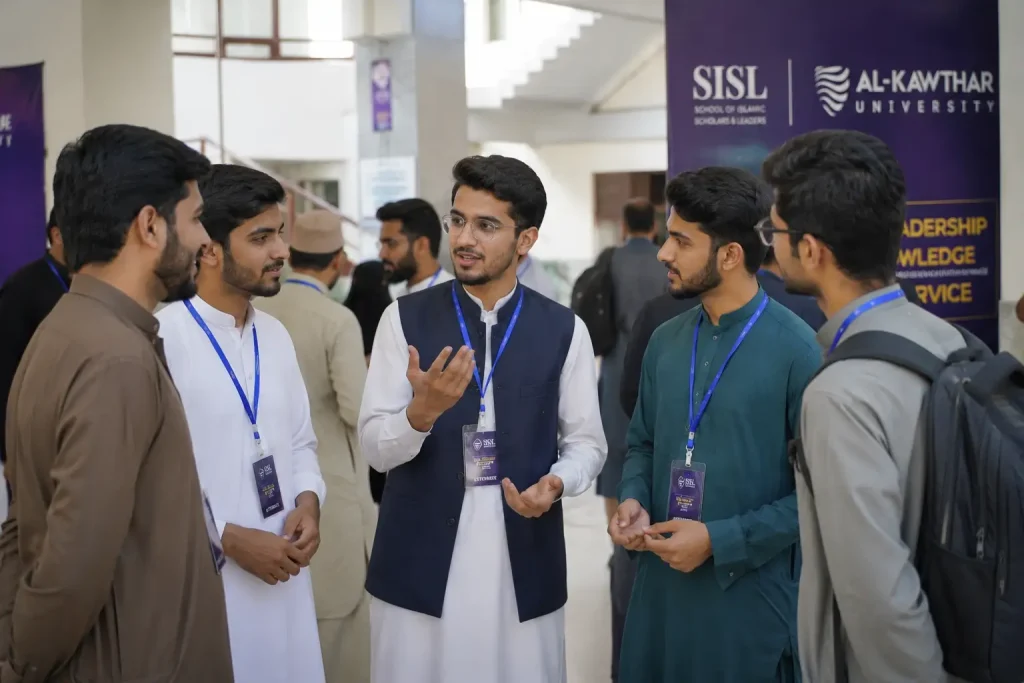
The Faith & Future: Beyond Self summit brings students, young professionals, scholars, and community-minded people together to explore how faith can shape the way we study, work, lead, and serve.
Co-hosted by the School of Islamic Scholars & Leaders (SISL) and Al-Kawthar University, the summit creates space for meaningful conversations about turning personal growth into something that benefits the Ummah.
The keynote speakers bring the theme of Beyond Self into the kinds of choices young Muslims are already making about their careers, families, knowledge, and responsibilities:
- Sheikh Hussain Yee, “What Will Outlive You?”
His session explores how to think beyond short-term achievements and invest your time, knowledge, and resources in people and work that can continue benefiting others.
- Sheikh Kashif Naseem Dilkusha, “From ‘Me’ to ‘We ‘: Reviving the Ummah’s Collective Spirit”
His session looks at how personal faith can move beyond individual growth and become a source of cooperation, responsibility, and service to the wider Ummah.
Students can attend the summit with a Rs. 500 student pass by presenting a valid student ID at check-in. For anyone attending university or beginning their career, the conversations offer an opportunity to think more intentionally about where their skills, ambitions, and faith can lead.
Let Your Youth Become Something Meaningful
The future of the Ummah is shaped by the standards you set and the choices you make during your youth.
When you work to master your field, hold firmly to your values under pressure, and use your skills to benefit the people around you, your everyday efforts can become a source of lasting reward in the Akhirah.
Having people around you who share that sense of responsibility can make the journey easier. Faith & Future: Beyond Self offers a space to learn from scholars, meet other young Muslims who want to contribute, and think more deeply about how your education, career, and abilities can serve something greater than yourself.
The years you have now are an opportunity, and what you choose to do with them can shape far more than your own future.
Frequently Asked Questions
How can you serve the Ummah if you’re still a student with no income?
You don’t need money to be useful. Your time, energy, knowledge, and willingness to help can already make a difference. Tutor a younger student, help at your local mosque, organize a study group, volunteer at a welfare initiative, or simply become someone your family and classmates can rely on. Even taking your studies seriously matters when you see the knowledge and skills you’re building as something you can eventually use to benefit others.
What is the biggest challenge facing young Muslims today?
One of the biggest challenges is learning how to pursue personal success without becoming disconnected from the people and values around you. When income, status, appearance, and online recognition become the main measures of success, it becomes easy to lose sight of your responsibilities to Allah and to the Ummah. Good company, sound Islamic knowledge, and a habit of thinking beyond your own interests can help keep your ambitions in perspective.
Does youth leadership require a large platform or public speaking?
Not at all. Leadership can begin quietly, with the responsibilities already in front of you. Helping your parents, supporting a younger sibling, organizing something useful at university, mentoring a classmate, or being the person who follows through when others don’t are all forms of leadership. The Prophet (peace be upon him) taught that the leader of a people is their servant, placing service at the heart of leadership.
How do you stay consistent in your faith during intense university semesters?
Start by protecting the things you know you cannot afford to lose. Keep the five daily prayers fixed in your routine, even when deadlines pile up, and give yourself a small amount of time each day for Qur’an, reflection, or beneficial Islamic learning. You don’t need an elaborate routine. A few commitments that you protect consistently can keep your faith connected to the rest of your life when university becomes demanding.
How can young professionals avoid ethical compromises in their careers?
Decide what you will and won’t compromise on before you’re under pressure to make that decision. Honesty in your dealings, keeping your word, treating people fairly, and refusing dishonest shortcuts should remain part of your professional character regardless of who is watching. Having trustworthy mentors and people around you who share those values can also make it easier to stand firm when doing the right thing comes at a cost.
Why should students attend events like Faith & Future: Beyond Self?
For a student, the value isn’t simply in listening to a few lectures. Faith & Future: Beyond Self brings scholars and young Muslims into the same space to think about how faith, education, careers, and responsibility fit together. The conversations can help you think more carefully about what you’re building and who it will ultimately benefit, while the networking gives you a chance to meet people trying to navigate similar questions. With student tickets available for Rs. 500, it can be a practical way to step outside your usual routine and spend a few hours thinking seriously about the kind of person and contributor you want to become.