Selflessness in Islam: Living Beyond Personal Success

A lot of what feels broken in the world can be traced back to one root: people looking out only for themselves, making decisions for personal gain even when it costs someone else, measuring success by what they accumulate rather than who benefits from it.
Over time, that way of living reshapes families, strains communities, and turns even good intentions inward.
Islam offered a lived answer through the life of the Prophet Muhammad ﷺ, showing what serving humanity in Islam can look like through service, responsibility, and concern for others. He ﷺ said:
“The best of people are those who are most beneficial to others.”
That single line moves the question from
“what can I achieve?”
To:
Who is benefiting because of me?
Answering it seriously is where selflessness in Islam begins.
Selflessness in Islam: What It Means
Selflessness in Islam reflects core Islamic values such as sincerity, humility, accountability, and concern for the people around you. These Islamic values begin with sincerity of intention, called Ikhlas, acting for Allah.
Allah says in the Qur’an:
“They were not commanded except to worship Allah, being sincere to Him in religion.” (Qur’an 98:5)
It also means preferring others even when you yourself are in need, a step beyond ordinary generosity. Allah praises this in the companions of the Prophet ﷺ:
“And they give preference over themselves, even though they are in need.” (Qur’an 59:9)
And it’s present in something the Prophet ﷺ made a condition of faith itself:
“None of you truly believes until he loves for his brother what he loves for himself.” (Sahih al-Bukhari and Muslim)
Selflessness in Islam lives in ordinary moments as much as grand ones: passing a smile, listening to someone patiently, helping before someone has to ask for it, and forgiving, even when it feels difficult.
Sincerity as the Starting Point

You can do all the right things outwardly and still feel something is missing, a lingering doubt about whether it was really for Allah or partly for yourself. That question is where selflessness starts.
Before any action reaches other people, it’s already known to Allah through the intention behind it. The Prophet ﷺ said:
“Actions are judged by intentions, and every person will have what they intended.” (Sahih al-Bukhari and Muslim)
The same action can carry entirely different weight depending on what stands behind it. A small act done sincerely can matter more than a large one done for recognition. Without sincerity, service turns into performance.
With sincerity, the focus moves: you give because it’s right, not because someone is watching. Allah describes that standard directly:
“We feed you only for the countenance of Allah. We wish not from you reward or gratitude.” (Qur’an 76:9)
It’s easy to do good when people are watching. It’s harder when nobody will ever know. Helping quietly, keeping someone’s mistake private, walking away without expecting thanks, those are the moments that train a person to seek Allah’s pleasure.
Humility Protects What Sincerity Builds
Good intentions are only the beginning. As a person keeps doing good, another temptation can appear: pride.
You start comparing yourself to others or feeling satisfied with your own efforts. That’s why humility matters. It reminds you that every opportunity to do good is a blessing from Allah. Allah says:
“And whatever you have of favor is from Allah.” (Qur’an 16:53)
Remembering that every blessing comes from Allah reinforces Islamic values of humility and gratitude, leaving little room for pride. Instead of taking credit for your good deeds, you recognise that Allah gave you the ability, opportunity, and guidance to do them in the first place.
The Prophet ﷺ embodied that humility. Although he was the Messenger of Allah, he served his family, sat with the poor, and never placed himself above those around him.
He ﷺ said:
“No one who has an atom’s weight of arrogance in his heart will enter Paradise.” (Sahih Muslim)
When you stop looking for recognition, doing good becomes simpler. You help because it’s right, not because someone will notice or thank you. That keeps your attention on Allah instead of on how your efforts compare to everyone else’s.
Responsibility as an Amanah
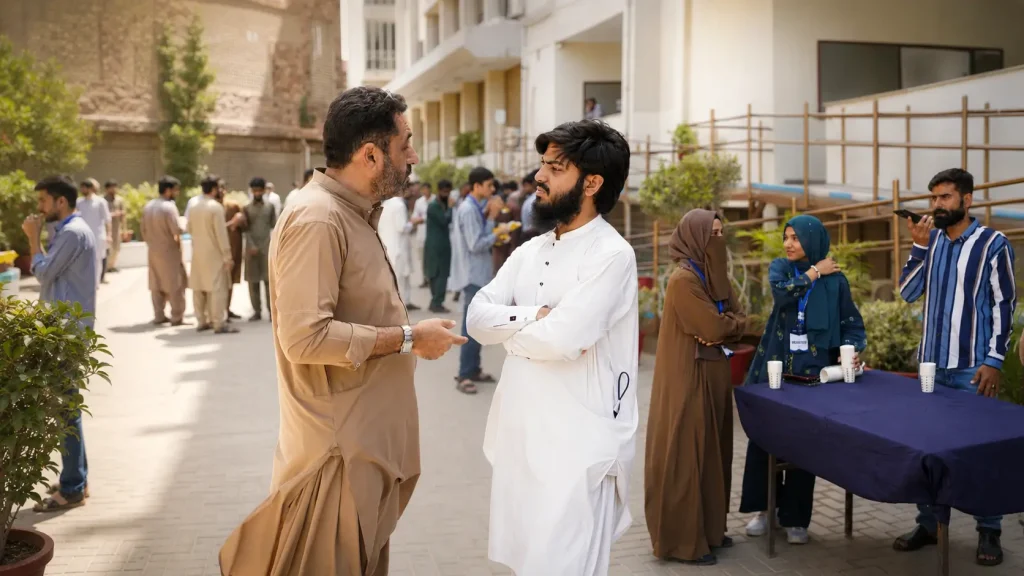
Humility also changes the way you see your responsibilities. Family, work, and community are no longer just obligations to get through.
They become an amanah, a trust that Allah has placed in your care. Allah says:
“Indeed, Allah commands you to render trusts to whom they are due.” (Qur’an 4:58)
Seeing your responsibilities as an amanah puts Islamic values such as honesty, responsibility, and trustworthiness into everyday practice. Instead of asking, “What’s the least I need to do?”, you begin asking, “Have I fulfilled this trust well?” That means keeping your word, and doing your work with care, even when nobody is watching.
At the same time, Islam doesn’t ask a person to neglect themselves in the name of service.
The Prophet ﷺ said,
“Your body has a right over you.” (Sahih al-Bukhari 5199)
Fulfilling an amanah includes taking care of yourself so you can continue fulfilling the responsibilities Allah has placed in your care.
Serving the Ummah Through Your Everyday Life
Helping others in Islam does not require a position or a public platform. For most people, helping others begins with the responsibilities they already have:
- Being honest at work
- Treating people fairly
- Raising a family with care
- Keeping the trusts Allah has placed in their hands.
The Prophet ﷺ said:
“The most beloved of people to Allah are those who are most beneficial to people.” (Tabarani)
Serving humanity in Islam is not measured by how visible a person’s contribution is, but by whether it brings genuine benefit to others.
Service does not always appear as a public act or a major project; often it is found in the responsibilities already in front of us. Working honestly, studying with discipline, and treating others with kindness are all ways a person can serve when they are done with the right intention.
Personal Success and Its Limits
Wanting to achieve something is not the issue. Islam encourages people to strive, build, and grow, but it also asks them to consider what those achievements are ultimately serving:
“Do [as you will], for Allah will see your deeds, and [so will] His Messenger and the believers.” (Qur’an 9:105)
The problem begins when success becomes only about what a person gains from it: recognition, comfort, or status. Those things may motivate someone for a while, but they leave success focused on the self. Islam asks a person to look beyond what they achieve for themselves and consider what their efforts provide for others.
Selflessness takes the believer beyond personal success and changes the way success is measured.It is no longer only about what a person achieves for themselves, but also about who benefits from what they build and what remains after them.
The Prophet ﷺ said:
“When a person dies, his deeds come to an end except for three: ongoing charity, beneficial knowledge, or a righteous child who prays for him.” (Sahih Muslim)
That hadith moves the measure from short-term achievement to lasting impact. The question is whether what you achieve ends with you or continues to benefit others. Some accomplishments only serve the person who earned them.
Serving humanity in Islam can create a legacy that continues through the people we help, the knowledge we share, and the good we leave behind. That is where ambition can become a means of service rather than only personal success.
What Selflessness Looks Like in Daily Practice
Selflessness begins with the intention behind what we already do. The same action can look ordinary from the outside, but its value changes when it is done seeking Allah’s pleasure.
Studying, working, helping others, and fulfilling responsibilities can all become acts of worship when the intention behind them is right.
Much of selflessness is found in ordinary decisions. It can mean choosing words that protect someone’s dignity, being honest when dishonesty would be easier, or doing what is right even when no one else would know. Allah says:
“Indeed, Allah orders justice and good conduct.” (Qur’an 16:90)
With knowledge, whatever a person has learned carries some responsibility to pass it on. The Prophet ﷺ said:
“Convey from me, even if it is one verse.”
A person does not need to know everything before they can be of benefit. Sharing something useful, helping someone learn, or offering guidance within what you know can all be forms of service. The Prophet ﷺ said,
“The most beloved deeds to Allah are those that are consistent, even if they are small.” (Bukhari & Muslim)
Selflessness is usually shown through the small acts a person continues to do, not only through the occasional major gesture.
Beyond Personal Success: A Vision for the Ummah
The same principle extends beyond individual achievement. The good a person builds is not meant to stop with themselves; it should benefit the people around them and contribute to the strength of the Ummah.
Believers are described in the Qur’an as connected to one another directly:
“The believers are but brothers.” (Qur’an 49:10)
That connection changes how a believer views their efforts. Success is not only measured by what a person achieves for themselves, but also by the benefit they bring to others and the good they leave behind.
Knowledge plays a specific role in that continuity. Allah says,
“Allah will raise those who have believed among you and those who were given knowledge, by degrees” (Qur’an 58:11),
Carrying that knowledge responsibly, learning it, acting on it, passing it on, is part of what keeps a community moving forward.
These ideas are reflected in Beyond Self: A Vision for the Ummah, the vision behind Faith & Future Summit 2026. Legacy, collective responsibility, the role of scholars in guiding future generations, and investment in the Ummah’s future all begin with the same principle: personal growth carries a responsibility to benefit others.
A Different Measure of Success
Selflessness in Islam is a quality that is strengthened through daily choices. It appears in a person’s priorities, their responsibilities, and the way they treat those around them. Allah says:
“And those who strive for Us, We will surely guide them to Our ways.” (Qur’an 29:69)
That guidance is tied to sincere effort and continued striving. Serving humanity in Islam shapes how believers use their abilities, fulfil their responsibilities, and contribute to the wellbeing of those around them.
This is the heart of Beyond Self: A Vision for the Ummah, recognising that personal growth finds its greatest purpose when it contributes to something greater than the individual. The question is not only what we achieve, but what benefit continues through us: the knowledge we share, the people we support, and the good we leave behind.
Frequently Asked Questions
What does selflessness mean in Islam?
Selflessness in Islam means placing obedience to Allah, responsibility, and concern for others above personal gain. It does not mean neglecting yourself, but using your abilities, time, and resources in ways that benefit others.
How does Islam encourage selflessness?
Islam encourages selflessness through sincerity, generosity, service, and fulfilling responsibilities toward others. The Qur’an praises those who give preference to others even when they themselves are in need, and the Prophet ﷺ taught that the best people are those who benefit others.
What is the difference between selflessness and sacrificing yourself in Islam?
Selflessness in Islam does not require a person to ignore their own needs. The Prophet ﷺ taught that a person’s body has a right over them, showing that caring for yourself is part of fulfilling your responsibilities properly.
What is ikhlas in Islam and why does it matter?
Ikhlas means sincerity of intention, especially doing actions for the sake of Allah rather than for recognition or praise from people. In Islam, the value of an action depends not only on what is done but also on the intention behind it.
How does humility relate to selflessness in Islam?
Humility protects selflessness by reminding a person that their abilities, opportunities, and good deeds are ultimately blessings from Allah. It prevents good actions from becoming a source of pride or superiority over others.
What does amanah mean in Islam?
Amanah means a trust or responsibility placed upon a person. In Islam, family, work, knowledge, and community responsibilities are all forms of amanah that should be fulfilled with honesty and care.
How can Muslims practise selflessness in daily life?
Helping others in Islam can be practised through ordinary actions: treating people with kindness, helping before being asked, keeping promises, sharing knowledge, supporting family, being honest at work, and protecting the dignity of others.
Does Islam discourage ambition and personal success?
No. Islam encourages people to strive, seek knowledge, build skills, and earn a lawful living. The concern is not success itself, but success that becomes focused only on personal gain and disconnected from benefiting others.
What does Islam teach about lasting impact after death?
Islam teaches that some forms of benefit continue after a person dies, including ongoing charity, beneficial knowledge, and a righteous child who prays for them. These examples show the importance of leaving behind goodness that continues beyond one’s lifetime.
How does selflessness connect to Faith & Future Summit 2026?
Faith & Future Summit 2026 explores the idea that personal growth should contribute to the wider Ummah. Through Beyond Self: A Vision for the Ummah, it focuses on how knowledge, responsibility, and service can create lasting collective benefit.