Raising Children Who Think, Feel And Believe
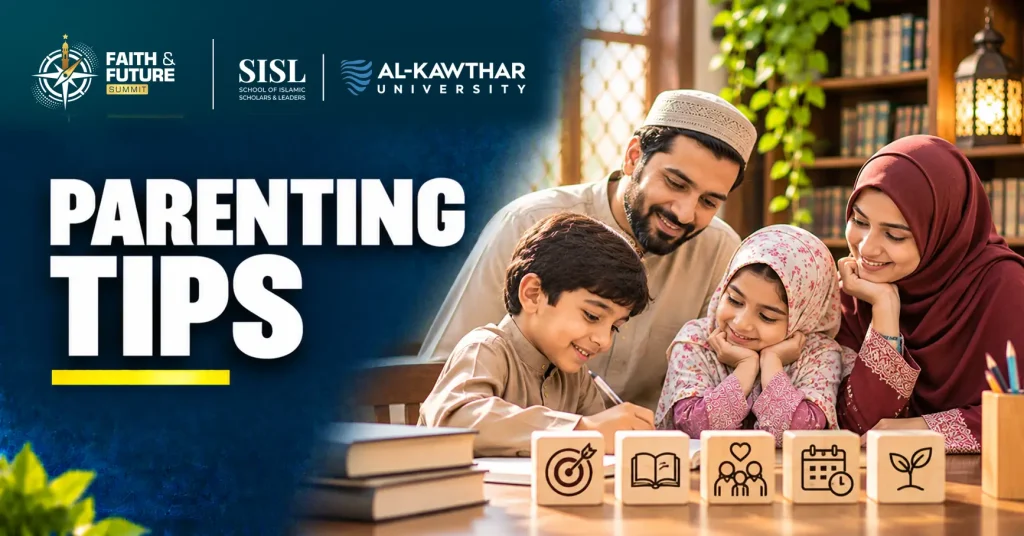
Key Takeaways
Effective parenting tips focus on three important parts of your child’s growth: thinking independently (Aql), understanding emotions (Qalb), and developing a strong connection with Allah (Iman). Your everyday guidance shapes how children make decisions, treat others, and practice their faith.
- Encourage curiosity: Let your children ask questions, explore ideas, and learn to think for themselves.
- Build emotional awareness: Listen to their feelings and teach them to handle anger, disappointment, and frustration.
- Nurture Islamic values: Introduce Salah, honesty, kindness, and gratitude through daily practice.
- Practice positive parenting: Combine affection with clear boundaries and fair discipline.
- Lead by example: Your children learn from how you speak, behave, and respond to challenges.
Imagine your twelve-year-old asks you,
“Abba, why do we pray five times a day when Allah already knows what’s in our hearts?”
Would you welcome the question or worry that your child is beginning to doubt their faith?
Your response matters. When children feel comfortable asking questions, they’re more willing to discuss what they don’t understand. You could explain that Salah is an act of worship and remembrance of Allah, then ask what made your child curious about it in the first place.
Islam also reminds parents of their influence on a child’s upbringing. Prophet Muhammad (PBUH) said:
“Every child is born with a true faith (i.e. to worship none but Allah Alone)” – Sahih al-Bukhari 1358, verbatim excerpt.
The Hadith reminds us of the importance of nurturing a child’s natural disposition (Fitrah). The way you raise and guide your children influences how they understand their faith, express their feelings, and make decisions.
So, what does raising a child who thinks, feels, and believes actually involve?
Let’s explore practical parenting tips for encouraging independent thinking (Aql), understanding your child’s emotions (Qalb), and strengthening their connection with Allah (Iman), with everyday examples you can apply at home.
Raising Children Who Think: Encouraging Curiosity and Independent Thinking
Does your child ask why something happens, or do they simply memorize an answer and move on?
Encouraging children to think for themselves begins with giving them opportunities to question, explore, and understand what they’re learning. The Quran encourages reflection. Allah says:
“Indeed, in the creation of the heavens and the earth and the alternation of the night and the day are signs for those of understanding.” – (Surah Ali Imran 3:190)
You can encourage the same curiosity through four everyday parenting tips.
1. Encourage Understanding Instead of Ratta
In Pakistan, children often memorize textbook answers to prepare for exams. While memorization has its place, understanding the lesson matters just as much. Try these approaches during homework:
- Ask for explanations:
Instead of repeating a textbook paragraph, ask your child to explain the concept in their own words.
- Connect lessons to daily life:
Discuss water conservation while studying science or calculating grocery expenses during mathematics practice.
- Appreciate their thinking:
Praise the effort they put into understanding a difficult question, regardless of their marks.
When your child struggles, ask how they reached their answer before correcting it. Their explanation often reveals what they need to understand better.
2. Welcome Questions About Faith and Everyday Life
Have you ever struggled to answer your child’s questions about Allah, Salah, or why Muslims follow certain teachings?
You don’t need to have every answer ready. What matters is taking their curiosity seriously.
Prophet Muhammad (PBUH) also used questions to encourage people to think. Once, while sitting with his companions, he asked:
“Inform me of a tree which resembles a Muslim” – (Sahih al-Bukhari 6144)
Abdullah ibn Umar (RA) correctly thought of the date-palm tree but remained silent out of respect for the elders present. His father later told him he would have been pleased if he had spoken.
The incident offers a useful reminder for parents: encourage children to share their thoughts, even when they’re unsure of the answer.
If your child asks something you don’t know, say, “That’s a good question, beta. Let’s find the answer together.”
3. Make Thinking Part of Family Conversations
You don’t need formal lessons to develop your child’s reasoning skills. Simple conversations during dinner or family activities provide opportunities to practice. Ask questions such as:
- “Why do you think honesty matters, even when nobody is watching?”
- “What would you do if your friend was being treated unfairly?”
- “How could you solve that problem differently?”
Listen to their reasoning before sharing your perspective. You could also include a few Islamic questions for kids during Friday family activities, encouraging children to explain their answers rather than simply remembering facts.
4. Protect Time for Reading and Concentration
If your child frequently moves between homework, mobile games, and short videos, concentrating on a longer task may become difficult.
Research has found mixed results regarding the immediate effects of fast-paced media on children’s attention. Content and viewing habits also matter, particularly when screen use replaces reading, sleep, or other activities.
Set aside device-free time for homework, reading, and family conversations. Involving your child in reasonable decisions about reducing screen time makes expectations clearer.
Encourage activities that require sustained attention, whether that’s finishing a storybook, building something, or solving a puzzle.
Raising Children Who Feel: Teaching Empathy and Emotional Awareness
You want your children to make thoughtful decisions, but you also want them to understand how their actions affect others.
Learning to recognize emotions, handle disappointment, and show kindness is an important part of growing up. Your response to everyday frustrations gives children opportunities to practice these skills. Here are four positive parenting tips for supporting your child’s emotional growth.
1. Acknowledge Feelings Before Correcting Behavior
Imagine your child is upset because rain has ruined their cricket plans. You might feel tempted to tell them to stop complaining, but acknowledging their disappointment makes it easier to discuss what happens next. Try these habits:
- Listen first:
Give your child time to explain what upset them.
- Name the feeling:
Use words such as frustrated, disappointed, worried, or embarrassed.
- Maintain boundaries:
Explain that feeling angry is normal, while shouting at or hurting others remains unacceptable.
Children need to know they can share difficult feelings with you without fearing humiliation.
2. Give Toddlers Simple Choices and Reassurance
Toddlers are beginning to develop independence, but they still need considerable support when managing frustration. A few practical parenting tips for toddlers make everyday activities easier:
- Use simple instructions:
Get down to your child’s level and explain what you want them to do in language they understand.
- Offer two acceptable choices:
Ask, “Would you like apple slices or a banana?” instead of expecting them to manage too many options.
- Keep familiar routines:
Regular meals, naps, and playtime make daily activities easier to anticipate.
A daily routine chart for kids with pictures also gives toddlers a visual reminder of what happens next. When your toddler becomes upset, stay close and offer reassurance before trying to explain the situation.
3. Teach Older Children to Manage Difficult Feelings
As children grow, schoolwork, friendships, and sibling disagreements introduce new emotional challenges.
Your child might feel jealous of a classmate’s achievements, embarrassed after making a mistake, or angry when someone treats them unfairly. Encourage them to recognize these feelings and choose an appropriate response.
- Name the emotion:
Ask, “Are you angry because your friend didn’t include you?”
- Practice calming down:
Encourage a short pause, slow breathing, or sitting somewhere comfortable before discussing a disagreement.
- Talk through solutions:
Once your child has settled, ask what they could do differently next time.
You can also introduce Islamic practices such as seeking refuge in Allah when angry and making Wudu as a familiar opportunity to pause and remember Him.
Consistent guidance matters throughout emotional development in children, especially as friendships and social expectations become more important.
4. Turn Empathy Into Everyday Kindness
Children need opportunities to practice the compassion you encourage at home.
If your child notices a younger sibling crying, ask what they could do to comfort them. When visiting relatives, encourage them to offer assistance or spend time with an elderly family member. You can also teach empathy through everyday interactions:
- Respect others:
Speak kindly to household helpers, drivers, and school staff.
- Consider feelings:
Ask how a friend might feel after being excluded from a game.
- Make amends:
Encourage sincere apologies when your child hurts someone’s feelings.
These experiences connect empathy with the good manners children learn through daily family life. When you listen patiently, acknowledge your mistakes, and treat people with kindness, your children have examples they can follow in their own relationships.
Raising Children Who Believe: Making Faith Part of Everyday Life
You want your child to pray, speak honestly, and follow Islamic teachings. But how do you encourage them to understand and love their faith rather than simply follow instructions?
The Quran offers a beautiful example through Luqman’s advice to his son. He teaches him about Allah, prayer, patience, and good conduct, addressing him with affection:
“O my dear son! Establish prayer, encourage what is good and forbid what is evil, and endure patiently whatever befalls you.” – Surah Luqman 31:17, Dr. Mustafa Khattab translation, verbatim excerpt.
Luqman’s advice reminds parents that religious upbringing includes both belief and everyday behavior. You can nurture that understanding through four Islamic parenting tips.
1. Introduce Allah Through His Mercy and Blessings
Young children are naturally curious about the world. When your child asks why it rains or how plants grow, use the opportunity to talk about Allah’s creation.
- Teach Allah’s names:
Introduce Ar-Rahman (The Most Merciful), Ar-Razzaq (The Provider), and Al-Wadud (The Most Loving) through examples your child understands.
- Explore nature together:
Talk about the stars, birds, trees, and rain as signs of Allah’s creation.
- Practice gratitude:
Encourage your child to say Alhamdulillah when enjoying a favorite meal, receiving a gift, or experiencing something good.
These conversations introduce faith through experiences your child already knows and enjoys.
2. Share Stories of the Prophets
Children love hearing about courage, friendship, and overcoming difficulties. The lives of the Prophets offer meaningful examples of these qualities.
Spend ten to fifteen minutes reading Islamic stories with your children, particularly before bedtime. You could discuss Prophet Ibrahim’s (AS) courage, Prophet Yusuf’s (AS) patience, or Prophet Muhammad’s (PBUH) kindness toward children. Afterward, ask one question:
“What did you learn from the way the Prophet handled that situation?”
Encourage your child to explain what interested them rather than expecting them to remember every detail.
3. Make Worship Part of Family Life
Children become familiar with religious practices by observing their parents. When they see you:
- Making time for Salah
- Reciting the Quran
- Remembering Allah during everyday activities
They have examples to gradually follow.
- Pray together:
Invite younger children to join you during Salah and help older children learn the correct movements and recitations.
- Remember Allah throughout the day:
Practice saying Bismillah before eating and Alhamdulillah afterward.
- Teach Wudu:
Demonstrate each step patiently and let your child practice with your assistance.
Keeping Salah and remembrance of Allah among your family’s daily good habits gives children regular opportunities to strengthen their understanding.
4. Connect Faith With Everyday Decisions
As children grow older, they need to understand how Islamic values apply when nobody is reminding them what to do.
Suppose your child notices a classmate cheating during an examination. Ask them why honesty matters even when the teacher isn’t watching. You can encourage similar conversations about kindness, fairness, and responsibility:
- Practice honesty:
Explain why telling the truth matters, even when admitting a mistake feels uncomfortable.
- Stand up for others:
Encourage your child to support classmates who are excluded or treated unfairly.
- Think about consequences:
Ask how their decisions affect other people and whether their actions reflect the values Islam teaches.
These conversations encourage children to connect their beliefs with their own choices.
Parenting Tips by Age: From Toddlers to Pre-Teens
The way you explain Islam to a three-year-old will differ from how you discuss faith with a twelve-year-old. Younger children learn largely through observation and play, while older children gradually develop the ability to reason, question, and make independent decisions.
The following effective parenting strategies offer practical starting points based on your child’s age and abilities.
1. Early Years (Ages 1 to 5): Exploring and Imitating
During toddlerhood and preschool, children learn through play, everyday interactions, and observing adults.
- Thinking:
Encourage exploration, answer simple questions, and let your child discover colors, shapes, and nature.
- Feeling:
Comfort them when they’re upset, name emotions such as happiness and sadness, and offer simple choices.
- Believing:
Let your child observe Salah, hear Quranic recitation, and practice saying Bismillah before meals.
One of the most useful parenting tips for toddlers is to keep instructions simple. Instead of giving several directions at once, explain one task and demonstrate what you expect.
2. Primary Years (Ages 6 to 9): Understanding and Responsibility
School-age children begin handling more responsibilities and asking detailed questions about fairness, rules, and faith.
- Thinking:
Ask your child to explain school lessons in their own words and discuss the reasons behind household expectations.
- Feeling:
Teach them to resolve disagreements through conversation, consider other people’s feelings, and apologize sincerely.
- Believing:
Introduce regular Salah, teach Wudu, and explain the meaning of familiar Quranic verses and Duas.
The Prophet Muhammad (PBUH) instructed parents to begin teaching children Salah at seven:
“Command your children to pray when they become seven years old” – (Sunan Abi Dawud 495)
As your child learns to pray, practice together, correct mistakes patiently, and gradually encourage greater responsibility.
3. Pre-Teen Years (Ages 10 to 13): Thinking Independently
As children approach adolescence, they develop stronger opinions and become increasingly aware of their friendships, identity, and personal responsibilities.
- Thinking:
Invite your child to discuss family decisions, books, and current events. Ask them to explain their opinions and consider different perspectives.
- Feeling:
Respect their growing need for privacy, listen to concerns about school or friendships, and correct mistakes without public embarrassment.
- Believing:
Discuss the wisdom behind Salah, modesty, honesty, and other Islamic teachings. Welcome sincere questions, including those you need time to research.
At this age, children benefit from being involved in appropriate decisions. You still provide guidance and boundaries, but their growing independence deserves consideration.
Overcoming Common Parenting Challenges in Pakistani Households
Even when you know which parenting tips to follow, changing familiar habits takes practice. Perhaps you grew up with strict discipline or live in a joint family where grandparents and parents have different expectations. Two approaches are especially useful when handling these challenges.
1. Replace Shouting and Comparisons With Patient Guidance
Have you ever caught yourself saying,
“Look at your cousin’s marks. Why can’t you study like him?”
Parents sometimes use comparisons to motivate children, but repeated criticism may damage confidence and create resentment. Try these positive parenting tips instead:
- Pause before reacting:
When you’re frustrated, take a few slow breaths before correcting your child.
- Recognize individual progress:
Compare your child’s current efforts with their previous performance rather than a sibling’s or cousin’s achievements.
- Apologize when necessary:
If you shout unfairly, acknowledge your mistake. You might say, “I was upset, beta, but I shouldn’t have spoken to you like that.”
An apology doesn’t remove your responsibility to establish boundaries. It demonstrates how to take responsibility for your own behavior.
2. Agree on Expectations With Your Spouse and Extended Family
In many Pakistani households, grandparents, aunts, and uncles are closely involved in raising children. Their support is valuable, although differences in discipline and daily routines sometimes lead to disagreements. You can handle these situations more effectively by:
- Discussing rules with your spouse:
Agree on important expectations around screen time, schoolwork, Salah, and respectful behavior.
- Speaking privately with grandparents:
Explain which boundaries matter most while appreciating their affection and involvement.
- Maintaining consistent expectations:
Avoid allowing the same behavior one day and severely punishing it the next without explanation.
You don’t need every family member to share identical parenting preferences. Focus on a few important principles that everyone involved in your child’s care understands.
The most useful parenting tips in Pakistan are those you can practice consistently within your own family’s circumstances. Begin with one behavior you’d like to improve, discuss it with the adults involved, and give your child time to adjust.
Community Spotlight: Raising Generations at the Faith & Future Summit
As your children grow, you’ll face questions about their education, emotions, and faith that aren’t always easy to answer. Hearing from experienced educators and other mothers offers fresh perspectives on raising children who think independently, understand their feelings, and stay connected to Islam.
The Faith & Future Summit, jointly organized by the School of Islamic Scholars & Leaders (SISL) and Al-Kawthar University, brings these conversations together through Raising Generations: All Female Edition.
The event takes place on Sunday, 15 November 2026, from 9:00 AM to 1:00 PM, at Al-Kawthar University in Gulshan-e-Iqbal, Karachi. It welcomes mothers, daughters, and female educators interested in Islamic upbringing.
1. Raising Children Who Think, Feel and Believe
Sister Sarah Magrabi’s session, The First Classroom: Raising Children Who Think, Feel and Believe, explores what children learn at home before and alongside their formal education.
The discussion examines how parents and teachers influence children’s learning and how both contribute to their upbringing.
2. Building Faith and Conviction in the Next Generation
In Architects of Generations, Sister Aiasha Amir discusses the responsibility of raising children who understand their Islamic identity and remain connected to their beliefs as they grow older.
Drawing on Quranic guidance, her session considers how women prepare the next generation for a society influenced by technology, social media, and changing expectations.
3. Learning Alongside Other Mothers and Educators
The summit also includes a networking break, giving you an opportunity to meet women who share similar parenting and educational responsibilities.
If you’re looking for fresh perspectives on raising children with curiosity, compassion, and faith, Raising Generations on 15 November brings you together with experienced speakers and other women who care about the next generation.
Raising Children Who Think, Feel and Believe
You don’t need to have every answer, prevent every disappointment, or make every parenting decision perfectly. Your children need opportunities to ask questions, express their feelings, and understand the Islamic values you want them to practice.
The most useful parenting tips are often the ones you put into practice during ordinary family conversations. Listen when your child disagrees, explain your decisions, and let your actions reflect the values you’re teaching.
Tonight, ask your child something beyond their homework or school marks. Find out what they’ve been thinking about lately, listen to their answer, and allow the conversation to develop. You might discover a question or concern they’ve been wanting to share.
Frequently Asked Questions
How should I respond when my child asks a difficult question about Islam?
Welcome their curiosity and explain what you know in age-appropriate language. If you’re unsure, explore reliable Islamic sources together or consult a qualified scholar.
What are the best parenting tips for toddlers who refuse to listen?
Keep instructions short, offer two simple choices, and maintain familiar routines. Toddlers need patient reminders as they learn to manage their emotions and follow directions.
How does positive parenting work without spoiling a child?
Positive parenting combines affection with clear boundaries and fair consequences. You can acknowledge your child’s feelings without accepting disrespectful or harmful behavior.
How can busy parents in Pakistan nurture thinking and faith every day?
Spend ten to fifteen minutes talking with your child without distractions. Ask about their day, discuss their questions, or share a short Islamic story before bedtime.