Who Should Attend Faith & Future Summit 2026?
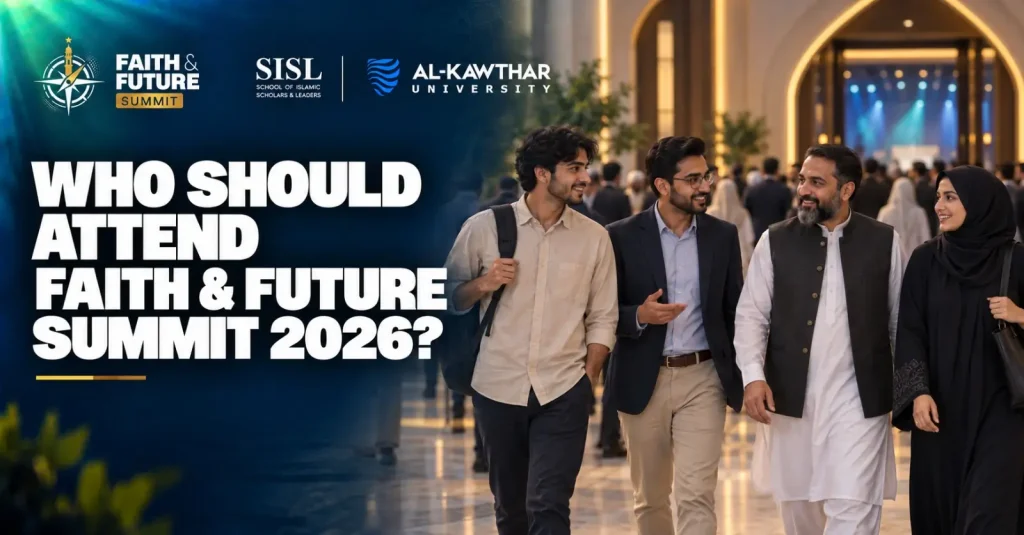
Faith & Future Summit 2026 is designed for individuals who want to explore how faith, personal growth, and collective responsibility connect. The summit is relevant for:
- University Students: Seeking direction, purpose, and guidance as they navigate education, career choices, and personal growth.
- Working Professionals: Looking to connect their skills, careers, and leadership responsibilities with meaningful contribution.
- Educators: Interested in shaping future generations through knowledge, mentorship, and values-based learning.
- Parents: Seeking insights on supporting their children’s faith, identity, and future development.
- Community Leaders & Islamic Learners: Exploring ideas around leadership, service, and strengthening the wider community.
There comes a point when personal success alone starts to feel incomplete. You may be studying, building a career, supporting your family, or developing your skills, yet a deeper question begins to emerge:
“How can I use what I have been given to create something meaningful for others?”
Many people carry this desire to contribute, lead, and make a difference, but finding the right direction, knowledge, and guidance can be challenging. Turning good intentions into action requires learning from those who have experience, asking better questions, and connecting with people who share a similar vision.
This is the idea behind the Faith & Future Summit 2026 and its theme, “Beyond Self: A Vision for the Ummah.” The summit brings together voices from scholarship, education, and professional fields to explore how faith can shape meaningful action.
The event takes place on Sunday, 20 September 2026, at the Al-Kawthar University Auditorium in Karachi.
In this guide, we explore who should attend Faith & Future Summit 2026 and how different audiences can discover meaningful ways to connect their knowledge, responsibilities, and ambitions with a greater purpose.
University and College Students: Finding Direction Beyond Academic Success
Students often spend years preparing for exams, building skills, and planning their careers, yet still find themselves asking a deeper question:
“How do I ensure my education contributes to something meaningful?”
Whether you are studying medicine, engineering, technology, business, humanities, or Islamic sciences, your knowledge has the potential to solve problems and create benefit beyond personal achievement.
The Faith & Future Summit 2026 is designed for students who want to explore how faith, education, and future ambitions can come together. Through discussions with scholars and experienced professionals, students can reflect on how their skills can be developed with purpose and responsibility.
Students attending the summit can gain:
- Greater Clarity:
Understanding how to approach academic and career decisions through a faith-centered perspective.
- Broader Exposure:
Learning from scholars, educators, and professionals working across different fields.
- Meaningful Direction:
Exploring how personal skills and education can contribute to wider social benefit.
Student passes are available at a subsidized rate of Rs. 500 with a valid student ID card presented at check-in. If you are attending as a student, understanding the sessions, schedule, and key discussions beforehand can help you make the most of your experience.
Muslim Professionals, Executives, and Entrepreneurs: Connecting Success With Responsibility
Professional growth often brings new responsibilities. As careers develop, many individuals begin reflecting on larger questions:
How can my skills, experience, and resources create benefit beyond my own achievements?
The Faith & Future Summit 2026 welcomes professionals, entrepreneurs, and leaders who want to explore the relationship between career excellence, ethical leadership, and meaningful contribution. The summit provides opportunities to reflect on:
- Purposeful Leadership:
Understanding how values can guide decision-making, workplace culture, and professional responsibilities.
- Responsible Growth:
Exploring how expertise, resources, and influence can support initiatives that benefit society.
- Shared Learning:
Connecting with professionals from different industries who are interested in faith-driven impact.
Whether you lead a team, manage an organization, or are building your own venture, the discussions provide perspectives on aligning professional capabilities with a wider vision.
Explore why Muslim professionals should attend the Faith & Future Summit to understand how your professional journey can connect with broader responsibility.
Parents and Families: Supporting the Next Generation With Confidence
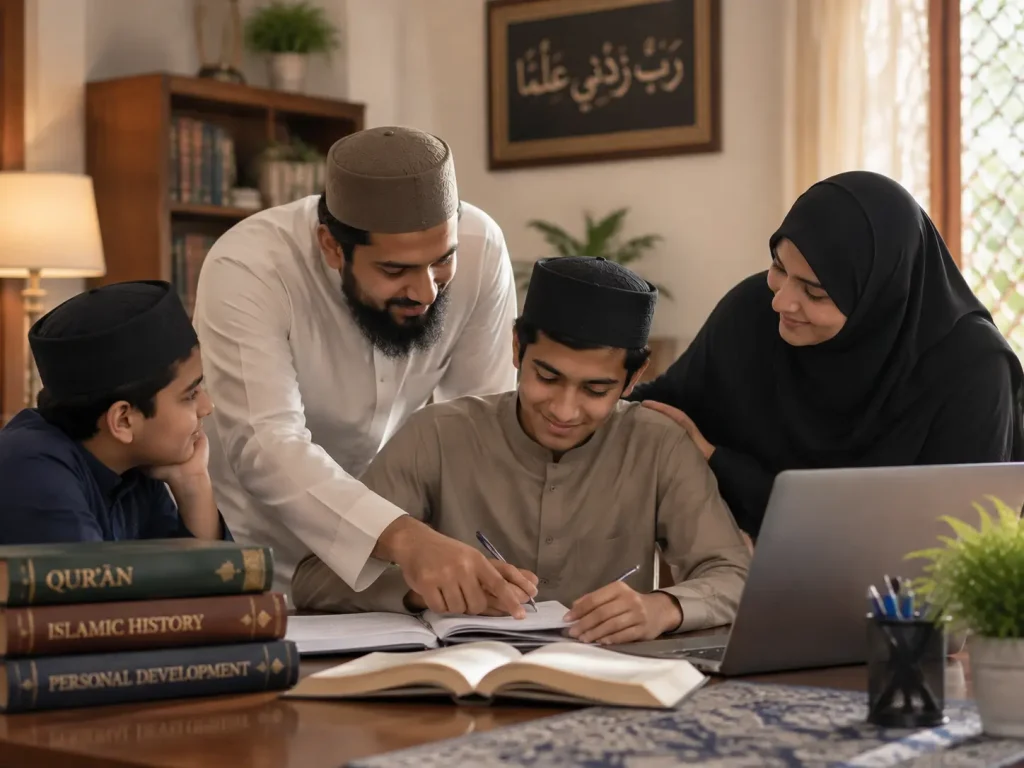
Raising children today involves helping them navigate education, identity, technology, and changing social environments while keeping them connected to their values.
Many parents are looking for ways to better understand the questions their children face and how to guide them with wisdom, patience, and confidence.
The Faith & Future Summit 2026 offers families an opportunity to engage with discussions around faith, character development, and the future challenges facing younger generations.
Families can benefit from:
- Stronger Understanding:
Gaining insights into the questions and pressures young people experience today.
- Better Communication:
Learning approaches that help bridge conversations between parents and children.
- Shared Reflection:
Creating an opportunity for families to discuss purpose, values, and future direction together.
With dedicated arrangements for brothers and sisters, the summit provides a comfortable environment for families attending together. Explore the parents guide to Faith & Future Summit to plan your family’s visit.
Educators, Academic Faculty, and Islamic School Teachers: Shaping Future Generations
Educators play an important role in helping students develop knowledge, confidence, and character. Beyond delivering lessons, teachers often guide students through questions about identity, purpose, and decision-making.
The Faith & Future Summit 2026 brings together perspectives from scholarship, education, and leadership to explore how learning can create deeper impact. Educators can benefit from:
- New Perspectives:
Exploring ways to connect knowledge, values, and character development.
- Meaningful Discussions:
Engaging with scholars and professionals on challenges faced by younger generations.
- Educational Inspiration:
Reflecting on how teaching can contribute to building responsible and thoughtful individuals.
For teachers, faculty members, and academic leaders, the summit offers an opportunity to consider how education can shape not just careers, but the people behind them.
Community Leaders, Organizers, and Those Seeking Meaningful Contribution
Many people working in communities share the same goal: creating positive change that lasts. Whether through education, welfare projects, social initiatives, or community programs, turning good intentions into lasting impact requires vision, collaboration, and thoughtful leadership.
The Faith & Future Summit 2026 is relevant for community organizers, non-profit leaders, and those interested in understanding how individual efforts can become stronger through shared responsibility.
The session “From ‘Me’ to ‘We’: Reviving the Ummah’s Collective Spirit” by Sheikh Kashif Naseem Dilkusha explores how communities can move toward greater cooperation, stronger connections, and a more collective approach to addressing challenges. Those involved in community work can benefit from:
- Leadership Reflection:
Understanding how intention, character, and responsibility influence the way we serve others.
- Shared Learning:
Hearing perspectives from scholars, educators, and professionals working toward meaningful change.
- Stronger Collaboration:
Exploring how individuals and organizations can work together more effectively.
Find Your Place at Faith & Future Summit 2026

Whether you are a student discovering your direction, a parent supporting your family, a professional seeking purposeful leadership, or someone working to benefit your community, the questions explored at the Faith & Future Summit 2026 connect with different stages of life.
The summit brings together diverse experiences around a shared theme: “Beyond Self: A Vision for the Ummah.” It is an opportunity to reflect, learn, and consider how your knowledge, skills, and responsibilities can contribute to something greater.
Which Audience Can Benefit From Faith & Future Summit 2026?
Different people may arrive at the summit with different questions, but the underlying goal remains the same:
Understanding how faith can guide personal responsibility and contribution.
| Audience | What They May Be Seeking | Relevant Discussions |
| University Students | Direction for education, career, and personal growth | Connecting skills and ambitions with meaningful contribution |
| Working Professionals | Balancing career success with responsibility and values | Ethical leadership and purposeful work |
| Parents & Families | Supporting the next generation with confidence | Faith, identity, and future challenges |
| Educators & Community Leaders | Guiding others through knowledge and mentorship | Building stronger communities through collaboration |
Frequently Asked Questions About Attending the Summit
Is the summit suitable for people without formal Islamic studies training?
Yes. The discussions are designed for a broad audience, including students, professionals, parents, and community members. The sessions focus on connecting Islamic principles with real-life questions related to identity, leadership, personal growth, and responsibility.
Can families attend the event together?
Yes. Families are welcome to attend together. The event includes organized seating arrangements with separate sections for brothers and sisters, allowing different generations to benefit from the discussions in a comfortable environment.
What is required for students attending on the student pass?
Students attending through the subsidized student pass should bring a valid student identification card from their school, college, university, or madrasah for verification at registration.
Are group registrations available for organizations or institutions?
Yes. Schools, academic institutions, community organizations, and groups interested in attending together can explore group registration options through the official registration process.