What Is the Purpose of Life According to Islam?
The purpose of life according to Islam is to worship Allah, recognise humanity’s responsibility as stewards of the earth, and live with awareness of moral accountability. Islam presents life as a meaningful journey where faith, character, and actions are connected. This purpose includes:
- Worshipping Allah through devotion and righteous action
- Developing good character and fulfilling responsibilities
- Contributing positively to society
- Preparing for accountability in the Hereafter
You can spend years pursuing education, building a career, and reaching personal milestones, yet still find yourself asking a deeper question:
What is all of this ultimately for?
Modern life often measures success through achievements, income, and recognition. These things may shape your journey, but they do not fully answer the question of why human beings exist or what gives life lasting meaning.
The purpose of life according to Islam begins with understanding humanity’s relationship with Allah. Islam presents life as a meaningful trust, where worship, moral responsibility, and service to others are connected. Everyday choices, relationships, and actions become part of a larger journey shaped by faith and accountability.
In this guide, we’ll explore how Islam defines the meaning of life, why worship extends beyond rituals, and how responsibility shapes the way Muslims engage with themselves, others, and the world around them.
Worship as a Complete Way of Life
Understanding the purpose of life according to Islam begins with the concept of worship. The Quran presents human existence as intentional, with a purpose rooted in a relationship with Allah:
“And I did not create the jinn and mankind except to worship Me.” – (Surah Adh-Dhariyat 51:56)
Worship is often understood through acts such as:
- Prayer
- Fasting
- Pilgrimage.
In Islamic thought, however, the concept of worship extends beyond formal rituals. It includes every sincere action carried out in obedience to Allah and with the intention of seeking His pleasure. This broader understanding connects faith with everyday life:
- Honest Work:
Earning a lawful livelihood, treating others fairly, and fulfilling professional responsibilities become acts of worship when guided by integrity.
- Seeking Knowledge:
Learning skills and developing expertise that benefit society reflect the value Islam places on knowledge and contribution.
- Family Responsibility:
Caring for parents, raising children with good character, and maintaining family bonds carry spiritual significance.
- Personal Integrity:
Truthfulness, trustworthiness, and fairness transform ordinary decisions into expressions of faith.
Through this understanding, daily responsibilities gain a deeper meaning. Work, education, and relationships become connected to a larger purpose rather than existing separately from spiritual life.
The Purpose Behind Life’s Trials and Responsibilities
Understanding the purpose of life according to Islam also requires recognising how Islam views worldly experiences. Life is not presented as a pursuit of comfort alone, but as a journey of growth, accountability, and moral development.
The Quran states:
“[He] who created death and life to test you as to which of you is best in deed…” – (Surah Al-Mulk 67:2)
This perspective changes how Muslims view both success and difficulty. Ease may require gratitude and humility, while hardship may require patience and trust in Allah.
| Life Experience | Spiritual Response |
| Prosperity and ability | Gratitude (Shukr) and generosity |
| Hardship and uncertainty | Patience (Sabr) and reliance on Allah (Tawakkul) |
| Influence and authority | Justice (Adl) and responsibility |
| Unfulfilled plans | Trust in Allah’s wisdom |
The value of a person’s journey is not measured only through visible achievements. Islamic teachings emphasise sincerity, effort, and character in how individuals respond to the circumstances they encounter.
The Human Role on Earth: Faith, Responsibility, and Khilafah
Alongside worship, the purpose of life according to Islam includes fulfilling the responsibility Allah has entrusted to humanity on earth. This responsibility is reflected in the concept of Khilafah, or stewardship.
In Surah Al-Baqarah (2:30), Allah mentions placing a Khalifah on earth. This responsibility reflects the unique qualities given to human beings, including intellect, moral awareness, and the ability to make conscious choices.
The Quran describes this responsibility as a trust:
“Indeed, We offered the Trust to the heavens and the earth and the mountains, and they declined to bear it and feared it; but man [undertook to] bear it.” – (Surah Al-Ahzab 33:72)
This trust appears in every area of life:
- Caring for Resources:
Using wealth, natural resources, and shared assets responsibly rather than through waste or exploitation.
- Leading With Justice:
Making decisions with fairness, honesty, and consideration for others.
- Developing Personal Potential:
Using knowledge, abilities, and opportunities in ways that create benefit beyond oneself.
Understanding the role of Muslim youth in the Ummah highlights how personal growth and responsibility prepare individuals to contribute meaningfully to society.
The purpose of life according to Islam brings together worship, responsibility, and service. These principles shape how Muslims understand their relationship with Allah, their communities, and the world around them.
Beyond the Self: Purpose Through Service and Legacy
A life centred around worship and responsibility naturally extends beyond personal growth. In Islam, spiritual development is not separated from concern for others. Faith shapes how individuals contribute to their families, communities, and the wider world.
The Prophet Muhammad (peace be upon him) highlighted this connection between faith and benefit:
“The most beloved of people to Allah are those who are most beneficial to others.” – (Reported by al-Tabarani in al-Mu’jam al-Awsat)
This principle changes how success is understood. The meaning of life is not measured only through personal achievements, wealth, or recognition, but also through the positive impact a person creates through their actions.
Islamic tradition preserves this idea through concepts such as ongoing charity (Sadaqah Jariyah), endowments (Awqaf), and beneficial knowledge.
A person who develops solutions that serve communities, teaches others, supports those in need, or uses their skills with integrity contributes to a legacy that continues beyond their own lifetime.
Understanding the collective meaning of Ummah in Islam highlights how individual abilities are connected to a wider responsibility toward society.
Connecting Purpose With Action: Faith & Future Summit 2026
Ideas about purpose gain greater meaning when they translate into action. Conversations around faith, responsibility, and service become more powerful when people gather to learn, exchange perspectives, and explore practical ways to contribute.
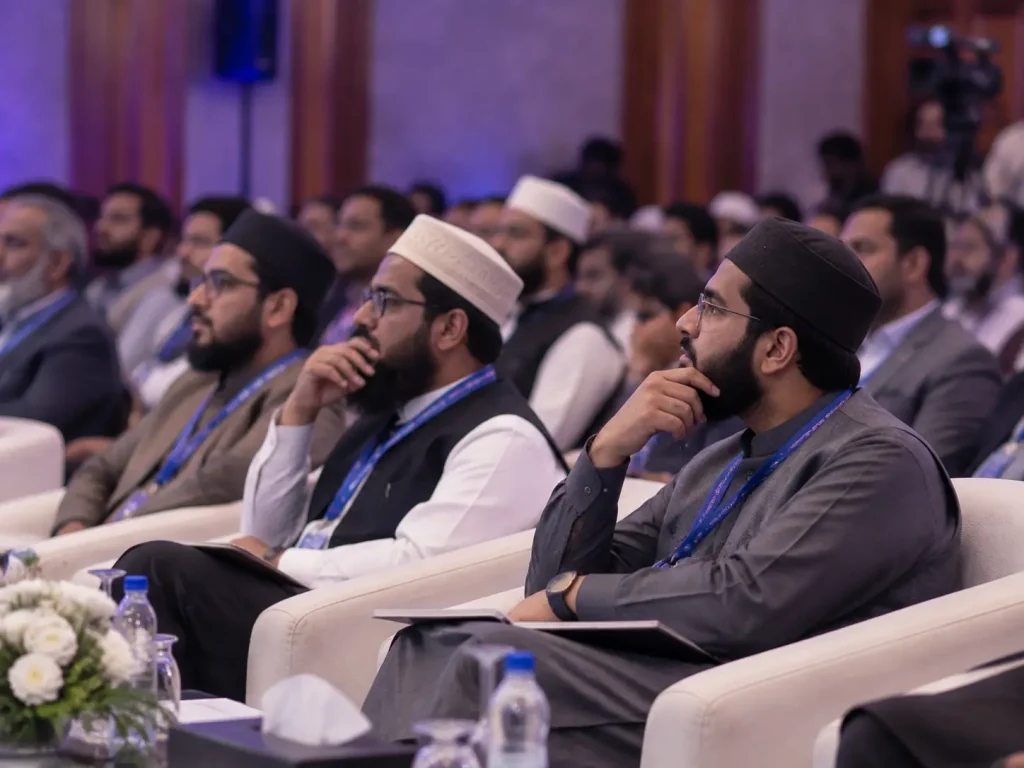
The Faith & Future Summit 2026 reflects this connection through its theme, “Beyond Self: A Vision for the Ummah.”
Jointly organized by the School of Islamic Scholars & Leaders (SISL) and Al-Kawthar University, the summit brings together scholars, educators, professionals, and students to explore the relationship between sacred knowledge, personal development, and community contribution.
The keynote discussions include:
- Sheikh Hussain Yee (“What Will Outlive You?”)
Explores how individuals can think beyond short-term achievements and consider the lasting impact of their choices, work, and contributions.
- Sheikh Kashif Naseem Dilkusha (“From ‘Me’ to ‘We’: Reviving the Ummah’s Collective Spirit”)
Examines the importance of collective responsibility and cooperation in strengthening communities.
Exploring how faith, discipline, and purpose help young Muslims connect with one another shows how personal growth and social responsibility work together.
Life Beyond the Present: Accountability in the Hereafter
Islamic understanding of purpose is connected to the belief that life carries meaning beyond the present world. Actions, choices, and intentions are viewed within the larger framework of accountability before Allah.
The Quran states:
“Did you think that We created you without purpose and that to Us you would not be returned?” – (Surah Al-Mu’minun 23:115)
The concept of Akhirah gives significance to everyday actions. Acts of patience, honesty, generosity, and service carry value because they are connected to a greater purpose beyond immediate outcomes.
This perspective also changes how Muslims approach success and difficulty. Worldly circumstances may change, but sincerity, effort, and character remain central to how a person’s journey is evaluated.
Living With Purpose Beyond the Self
The purpose of life according to Islam connects worship, responsibility, and service into one complete vision of human existence. It shapes how Muslims understand their relationship with Allah, their communities, and the world around them.
Purpose is reflected not only in major achievements but also in everyday choices: the work performed with honesty, the people treated with kindness, and the responsibilities carried with sincerity.
When faith guides these actions, daily life becomes connected to something greater than personal success. It becomes a journey of worship, contribution, and preparation for the Hereafter.
Frequently Asked Questions About the Purpose of Life in Islam
Does pursuing an ambitious career conflict with the purpose of life in Islam?
A career can align with Islamic principles when it is pursued through lawful means and balanced with spiritual responsibilities. Professional growth can provide stability, support families, and create opportunities to benefit others. The concern arises when ambition leads to dishonesty, arrogance, or neglect of religious obligations.
Why did Allah create human beings if He has no need for our worship?
Allah is independent of all creation. Worship does not benefit Allah; rather, it shapes human beings by strengthening their awareness, discipline, gratitude, and connection with their Creator.
How does human suffering fit into a purposeful creation?
Islam views hardship as part of the human experience and a test of patience, faith, and character. Trials can become opportunities for spiritual growth, reflection, and compassion toward others.
Can ordinary workplace tasks and daily chores count as worship?
Lawful activities become acts of worship when they are performed with sincere intention. Working honestly, caring for family, fulfilling responsibilities, and benefiting others all carry spiritual value when done for the sake of Allah.
How can you reconnect with purpose during periods of spiritual uncertainty?
Returning to foundational acts of worship, reflecting on personal responsibilities, and reconnecting with meaningful service can help restore direction. Purpose is strengthened through consistent actions rather than only through moments of inspiration.
What is the relationship between divine destiny and personal effort?
Islam teaches that Allah’s knowledge encompasses all things while human beings remain responsible for their choices and efforts. A person is accountable for sincerity, intention, and action within their ability.